
South African Musicians Breaking Records on International Charts
South African artists are achieving unprecedented success on global music platforms, blending local rhythms with international appeal to top charts worldwide.
By Lindiwe Nkosi
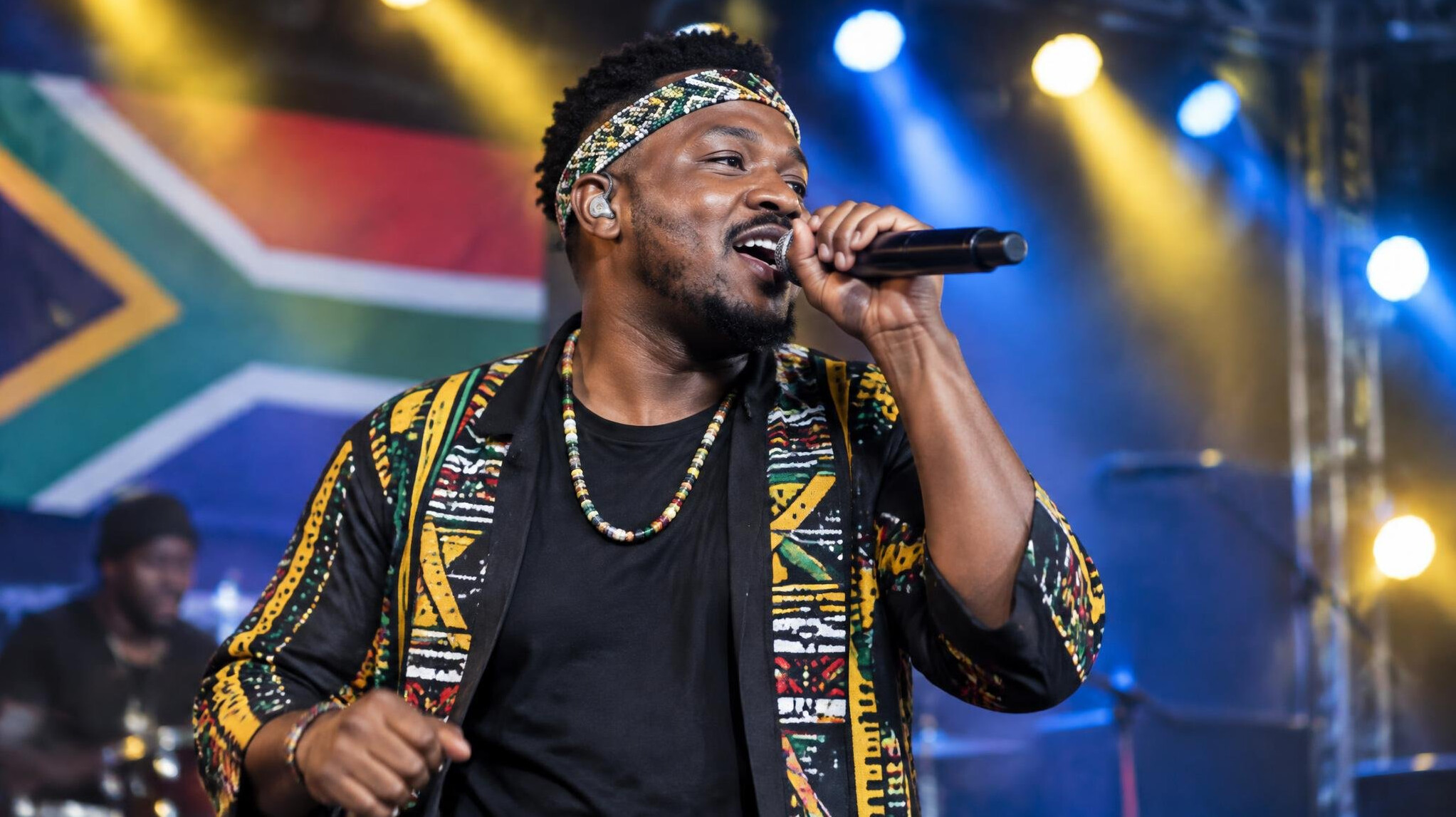
South African music has always carried a distinct energy that travels far beyond the borders of the continent. In recent years, this sound has found its way onto the biggest international charts, surprising even longtime industry watchers. Artists from Johannesburg, Cape Town, and Durban are now regularly appearing alongside global superstars on Billboard lists and Spotify rankings.
One of the most talked-about breakthroughs came from Tyla, whose track Water climbed steadily until it reached the top ten on the Billboard Hot 100. The song’s smooth blend of amapiano and R&B caught the attention of listeners who had never heard the genre before. Radio stations in the United States began playing it regularly, and the music video quickly gathered millions of views. Tyla’s success opened doors for other young South African talents looking to cross over.
Building on a Strong Foundation
Before these recent hits, producers like Black Coffee had already been collecting awards at the Grammys. His work showed the world that house music made in South Africa could stand alongside the best electronic sounds from Europe and North America. Younger artists watched and learned, realizing that local rhythms could be polished for wider audiences without losing their soul.
Another name gaining traction is Sho Madjozi. Her colorful style and energetic performances have drawn crowds at festivals across Europe. Tracks like John Cena introduced amapiano beats to new listeners who now search for similar sounds on streaming services. The numbers show clear growth: South African music streams outside the country have risen sharply in the past eighteen months.

Collaborations That Open Doors
International collaborations have played a big part in this wave. When Burna Boy featured South African voices on his albums, it gave those artists exposure to his massive fan base. Similar partnerships with American rappers and British producers continue to appear. These joint projects often result in chart entries that benefit everyone involved.
Local labels have also stepped up their game. They now invest in better marketing and global distribution deals. This means songs can reach playlists in London or Los Angeles the same week they drop in Johannesburg. The infrastructure that once limited reach is slowly improving.
Challenges and Steady Growth
Of course, not every release becomes a worldwide hit. Many artists still face visa issues when trying to tour abroad. Streaming payouts remain low for most creators, even when their songs chart high. Yet the momentum feels different this time. More young musicians are studying the business side, hiring managers who understand international markets, and protecting their rights from the start.
Fans inside South Africa celebrate each new milestone. Social media fills with pride whenever another local track appears on a global countdown. Schools and community centers host listening parties, turning chart success into shared moments of joy.

The variety of styles coming out of the country keeps surprising listeners. Some tracks lean into gqom, others mix jazz with hip-hop, and a few stay true to traditional instruments updated with modern production. This range helps South African music appeal to many different tastes at once.
Looking Ahead
Industry experts expect more records to fall in the coming months. With new streaming deals and growing interest from major labels, the pipeline of talent looks strong. South African musicians are no longer waiting for permission to enter global conversations. They are simply showing up with music that refuses to be ignored.